Adam Johnson
Adam Johnson has established himself as a novelist of exceptional ambition and technical skill, willing to venture into the most challenging geopolitical territory to explore the contours of human longing and moral compromise. His fiction is marked by a meticulous, almost anthropological attention to detail—the kind of research that allows him to render unfamiliar worlds with such vivid particularity that readers feel they’ve been granted access to hidden corners of human experience. Johnson’s prose style manages to be both precisely controlled and emotionally resonant, a balance many writers spend their careers attempting to achieve.
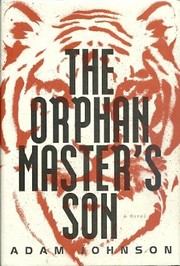
Johnson’s breakthrough came with The Orphan Master’s Son, his audacious novel set in North Korea that traces the parallel narratives of a young man raised in a state orphanage and the mysteries surrounding his identity and origins. The novel earned him the 2013 Pulitzer Prize for Fiction, recognition that validated his willingness to tackle such an opaque, deliberately obscured society through the lens of intimate human drama. What distinguishes Johnson’s work is his refusal to treat unfamiliar settings as mere exotic backdrop; instead, he uses geographical and political isolation to examine universal questions about belonging, truth, and the stories we tell ourselves to survive. With this landmark achievement, Johnson joined the ranks of contemporary fiction writers who demonstrate that the most universal stories often emerge from the most particular of circumstances.