Alasdair Gray
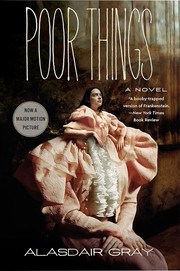
Alasdair Gray stands as one of Scotland’s most inventive literary voices, a writer whose ambitious novels and distinctive visual sensibility have challenged conventions of form and storytelling for decades. His masterwork Poor Things, a baroque novel that blends Victorian pastiche, science fiction, and philosophical inquiry, earned the Costa Book Award for Novel in 1992, cementing his reputation as a boldly experimental author unafraid to venture into genre territory while maintaining serious literary ambitions. The novel’s win recognized Gray’s singular ability to create worlds that are simultaneously playful and intellectually rigorous, texts that refuse easy categorization even as they captivate readers with their narrative ingenuity.
What distinguishes Gray’s work is not merely stylistic audacity but a deep engagement with questions of identity, desire, and social critique. His novels often feature unreliable narrators, nested stories, and metafictional games that force readers to become active participants in meaning-making. Poor Things exemplifies this approach, presenting the life story of Bella Baxter—a woman brought back from the dead by an eccentric scientist—through multiple competing accounts that simultaneously interrogate Victorian attitudes toward women and ask fundamental questions about what makes us human. Gray’s refusal to settle into conventional narrative modes has influenced generations of writers interested in pushing literary fiction toward greater formal innovation and imaginative freedom.