Alfred Bester
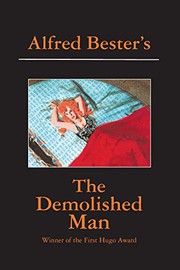
Alfred Bester stands as one of science fiction’s most inventive and stylistically audacious voices, a writer whose work consistently pushed the genre toward greater literary ambition and formal experimentation. His 1953 Hugo Award-winning novel The Demolished Man announced his arrival as a major talent, introducing readers to a future where telepathy has become commonplace and crime prevention reaches terrifying new heights. The novel’s intricate narrative structure and philosophical depth—exploring themes of privacy, power, and what it means to be truly human in a surveillance state—established patterns that would define Bester’s career: his fascination with technology’s psychological impact on individuals and society, combined with a willingness to take narrative risks that more conventional writers avoided.
Bester’s distinctive style blends hard science-fictional concepts with an almost poetic sensibility, grounding his far-future scenarios in deeply felt human dilemmas. He brought to science fiction an intellectual rigor and emotional complexity that helped elevate the genre during a crucial period of development. Beyond his award recognition, Bester became known for exploring the costs of progress and transformation with nuance and compassion, crafting stories where the most important conflicts often occur within the human psyche rather than across cosmic battlefields. His influence on subsequent generations of science fiction writers—both in terms of thematic concerns and narrative innovation—remains considerable, cementing his reputation as not merely an entertainer but a serious literary artist working within genre.