Alice Munro
Alice Munro has spent decades perfecting the art of the short story, earning her recognition as one of the most important writers of our time. Her fiction excels at excavating the hidden emotional landscapes of small-town Canadian life, particularly the interior worlds of women navigating love, desire, and self-discovery. Munro’s signature style—deceptively spare prose that unfolds like a series of carefully arranged revelations—has made her a favorite of both critics and general readers, a rare achievement in literary fiction that speaks to the universal resonance of her seemingly modest stories.
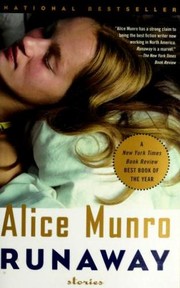
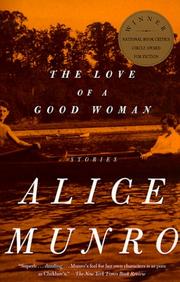
Munro’s award recognition reflects the consistent brilliance that has defined her career. Her 1998 collection The Love of a Good Woman demonstrated the full reach of her powers, winning both the prestigious Giller Prize and the National Book Critics Circle Award that same year—a dual honor that underscored how thoroughly she had captured the literary establishment’s attention. Six years later, she returned to the winner’s circle with Runaway, which claimed the Giller Prize once again, proving that her ability to mine extraordinary complexity from ordinary moments was not a one-time achievement but the hallmark of an enduring literary vision.