Allen Ginsberg
Allen Ginsberg stands as one of the most influential and controversial literary figures of the twentieth century, a poet whose work fundamentally altered the landscape of American letters. Born in 1926, Ginsberg became the voice of the Beat Generation, channeling countercultural rebellion, spiritual searching, and political dissent into verses that shocked, moved, and ultimately transformed readers. His signature style—long, incantatory lines that build toward prophetic intensity—rejected the formal constraints of academic poetry in favor of raw emotional authenticity and visionary ambition. Whether exploring themes of social injustice, spirituality, love, and the search for meaning in a mechanized world, Ginsberg brought a confessional urgency and political conscience to contemporary poetry that few of his peers matched.
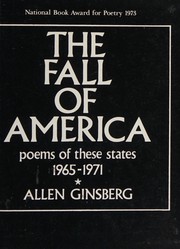
Ginsberg’s 1974 National Book Award for The Fall of America: Poems of These States, 1965–1971 affirmed what many readers already knew: that his expansive, politically engaged poetry deserved recognition at the highest levels of American letters. The collection, spanning the turbulent years of the Vietnam War and the civil rights movement, captures a nation in crisis through Ginsberg’s distinctive voice—one that merged personal revelation with collective witness. This major award recognition solidified Ginsberg’s position not as a marginal provocateur but as a central figure in American poetry, proving that his uncompromising commitment to artistic and political truth could achieve both critical acclaim and lasting cultural impact.