Amitav Ghosh
Amitav Ghosh stands among the most intellectually ambitious novelists working today, a writer who consistently dissolves the boundaries between literary fiction and genre exploration. His work is characterized by a restless curiosity about history, science, and the invisible forces that shape human experience—whether those forces are colonial legacies, epidemiological mysteries, or the climate crisis itself. Ghosh’s prose moves fluidly across continents and centuries, often blending meticulous historical research with speculative imagination, creating narratives that feel both rigorously grounded and startlingly inventive.
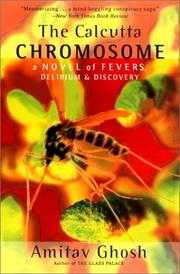
His 1997 novel The Calcutta Chromosome exemplifies this singular approach, earning him the Arthur C. Clarke Award for science fiction—a remarkable achievement that spoke to Ghosh’s ability to work within genre conventions while fundamentally challenging them. Rather than a traditional speculative future, Ghosh crafted a narrative that collapses temporal boundaries, weaving together the history of malaria research with meta-fictional games and technological speculation. The novel’s complex structure and its refusal to settle comfortably within any single category announced Ghosh as a writer uninterested in conventional literary hierarchies.
What makes Ghosh’s recognition particularly significant is his insistence that the novel itself can be a vehicle for exploring urgent questions about knowledge, power, and human connectivity—concerns that transcend the artificial divisions between “literary” and “genre” writing. His work invites readers to question how history is told, who gets to tell it, and what imaginative forms that storytelling might take.