Ann Leckie
Ann Leckie burst onto the science fiction scene with a debut that rewrote the rulebook for space opera while dismantling assumptions about gender and identity. Her first novel, Ancillary Justice, arrived in 2013 to unprecedented acclaim, sweeping major awards including the Nebula, Arthur C. Clarke Award, and Locus Award for Best First Novel—a trifecta that signaled this was no ordinary entry into the field. The book’s linguistic innovation—its use of a language that treats all people with feminine pronouns—wasn’t mere stylistic flourish but a profound exploration of how language shapes consciousness and empire. Few debut authors command this level of immediate recognition, and fewer still maintain that momentum across an entire series.
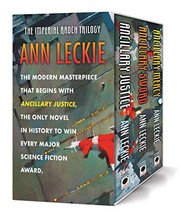
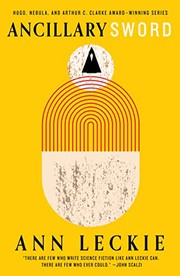
Leckie’s mastery became evident as she continued the story with Ancillary Sword and Ancillary Mercy, both earning consecutive Locus Awards for Best Science Fiction Novel in 2015 and 2016. The Imperial Radch trilogy cemented her reputation as a writer interested in the granular mechanisms of power—how institutions persist, how individuals resist, and how the personal and political intertwine across worlds. Her ability to sustain complex worldbuilding, character development, and thematic depth across multiple books set her apart from writers content with standalone brilliance.
The 2024 Hugo Award for Best Series represented a crowning achievement: recognition that the Imperial Radch trilogy had fundamentally altered what space opera could accomplish. Leckie’s work proves that science fiction’s speculative elements serve her deepest interests—not as window dressing but as essential tools for asking urgent questions about identity, loyalty, and what it means to be human in systems designed to strip humanity away.