Anne Morrow Lindbergh
Anne Morrow Lindbergh stands as one of the twentieth century’s most introspective and lyrical voices, a writer who transformed personal experience into profound meditations on solitude, creativity, and the interior life. Though often recognized primarily through her connection to her famous husband, Lindbergh carved out her own literary legacy as a pioneering aviator-author whose distinctive perspective emerged from a life lived at the intersection of adventure and contemplation. Her prose style—graceful, precise, and deeply reflective—marked a departure from the adventurous journalism of her era, infusing travel narratives with philosophical depth and emotional honesty.
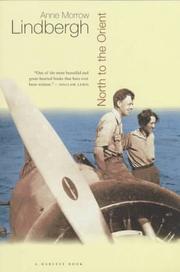
Her award-winning work North to the Orient demonstrated the power of her approach, earning the National Book Award for Nonfiction in 1935. The book chronicled her and Charles Lindbergh’s aerial survey flight from North America to Asia, yet it transcended the genre of adventure reportage by focusing on the interior landscape of long-distance flying—the meditation and solitude of sustained flight, the strange intimacy of witnessing the world from above. This recognition established Lindbergh’s credentials as a serious literary talent, validating her belief that even the most extraordinary circumstances could yield universal human truths.
Throughout her prolific career, Lindbergh’s recurring preoccupations with solitude, the artist’s struggle for balance, and the search for meaning in modern life resonated deeply with readers seeking authenticity in an increasingly mechanized world. Her influence extended well beyond aviation literature, positioning her among the most significant women essayists of her century.