Antoine de Saint-Exupéry
Antoine de Saint-Exupéry remains one of literature’s most enchanting paradoxes: a writer equally at home in both the practical and the poetic, the autobiographical and the allegorical. A licensed pilot who flew mail routes across Africa and South America, Saint-Exupéry transformed his aerial adventures into luminous reflections on human connection, meaning, and our place in an indifferent universe. His work bridges genres with remarkable ease, moving fluidly between lyrical memoir and philosophical fable, always imbued with a distinctly French sensibility that prizes clarity of vision and emotional authenticity.
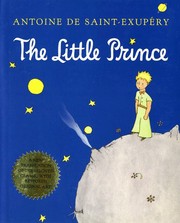
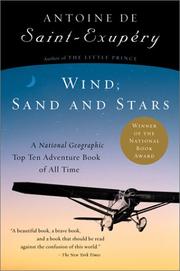
His literary reputation rests largely on two masterpieces that won major recognition on both sides of the Atlantic. Wind, Sand and Stars, his meditative account of his experiences as a pilot, claimed the National Book Award for Nonfiction in 1939, establishing him as a serious literary voice who could mine profound truths from lived experience. Yet it is The Little Prince, his 1943 novella about a young prince’s travels through the cosmos, that has achieved perhaps the most enduring cultural presence, earning the Hugo Award for Best Novella in 1944 and cementing his status as a writer capable of crafting work that speaks to both children and adults with equal grace and depth.
What makes Saint-Exupéry’s cross-award recognition particularly remarkable is how it underscores the multiplicity of his vision. Whether writing as a memoirist or a fabulist, he returns obsessively to questions of loneliness, responsibility, and the fragile bonds that make life worth living—themes that resonate across genres and generations, from serious literary audiences to the millions who discover his Little Prince as children and carry it into adulthood.