Arthur M. Schlesinger Jr.
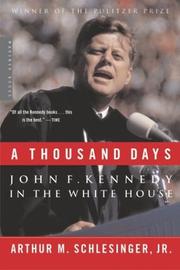
Arthur M. Schlesinger Jr. stands as one of America’s most consequential historians, a scholar who brought narrative verve and moral clarity to the study of presidential politics and twentieth-century American history. His work is characterized by sweeping ambition and meticulous research, qualities that earned him the 1966 Pulitzer Prize for Biography for A Thousand Days, his monumental examination of John F. Kennedy’s presidency. The book, which draws on Schlesinger’s firsthand experience as a Kennedy advisor, remains a defining account of the Kennedy administration, combining intimate detail with broader historical analysis in a way that set the standard for presidential biography.
Beyond the accolades, Schlesinger’s significance lies in his ability to make history urgent and relevant for general readers while maintaining the rigor that serious scholars demand. His writing style—elegant, propulsive, and deeply engaged with the moral dimensions of political power—made complex historical arguments accessible without sacrificing nuance. Whether examining the New Deal, the nature of the presidency itself, or the ideological conflicts of the Cold War, Schlesinger consistently demonstrated that history was not merely a record of what happened, but a vital conversation about who we are and what we might become. His Pulitzer-winning work exemplified this philosophy, positioning A Thousand Days as both intimate biography and sweeping meditation on power, tragedy, and the American presidency.