Arthur Miller
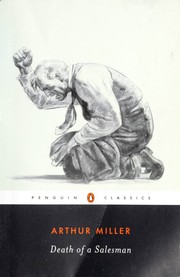
Arthur Miller stands as one of the most consequential playwrights in American theater, a writer whose work transformed the stage into a mirror for examining the contradictions and moral complexities of ordinary American life. His 1949 Pulitzer Prize-winning masterpiece Death of a Salesman cemented his reputation as a dramatist capable of mining profound philosophical truths from the fabric of everyday struggle. The play’s portrait of Willy Loman, a man undone by his pursuit of the American Dream, became a cultural touchstone that continues to resonate across generations, proving that tragic greatness need not be confined to kings and mythological figures.
Miller’s distinctive voice emerged from his conviction that drama should grapple with contemporary social and political realities rather than retreat into escapism. His recurring exploration of moral responsibility, institutional corruption, and the gap between public facade and private desperation runs through much of his output, establishing him as an intellectual force in mid-century American letters. Beyond Death of a Salesman, works like The Crucible demonstrated his ability to use historical settings as vehicles for urgent commentary on his own era, while his willingness to engage publicly with censorship, McCarthyism, and other threats to artistic freedom made him as much a public intellectual as a playwright.