August Wilson
August Wilson stands as one of the most consequential American playwrights of the twentieth century, a writer who used the stage to chronicle the African American experience with unflinching honesty and lyrical power. His ambitious cycle of ten plays—each set in a different decade of the 1900s—traces the evolution of a Pittsburgh neighborhood and the families who inhabited it, creating a sprawling portrait of Black life that demands to be reckoned with. Wilson’s distinctive voice blends naturalistic dialogue with poetic language, jazz-inflected rhythms with blues sensibilities, crafting work that feels simultaneously intimate and universal.
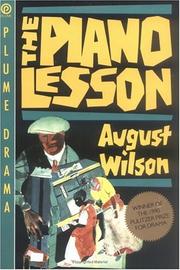
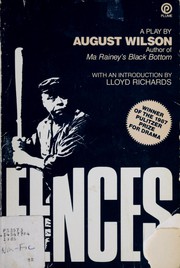
Wilson’s cross-award recognition underscores his towering influence on American drama. His 1987 Pulitzer Prize for Fences introduced audiences to Troy Maxson, a former baseball player grappling with thwarted dreams and the weight of fatherhood, in a play that crackles with domestic tension and moral complexity. Just three years later, Wilson claimed a second Pulitzer Prize for Drama with The Piano Lesson, a richly layered exploration of family legacy, cultural memory, and the ghosts—both literal and figurative—that haunt inheritance. These consecutive wins were unprecedented recognition of Wilson’s artistic vision and signaled a profound shift in what American theater could be: not merely reflective of the dominant culture, but centered squarely on Black lives, Black voices, and Black history told from within.