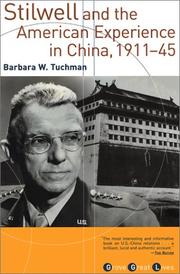
Barbara W. Tuchman
Barbara W. Tuchman stands as one of the most celebrated narrative historians of the twentieth century, a writer who elevated popular history into a genuine art form. Her gift lay in transforming dense historical material into compulsively readable narratives that never sacrificed accuracy for drama. Tuchman possessed an almost novelistic sensibility—she understood that history was, fundamentally, a story about human beings making fateful decisions—and she wielded archival research with the precision of a surgeon and the imagination of a novelist. Her work is characterized by meticulous attention to detail, a skepticism toward official narratives, and an abiding fascination with how small choices and miscalculations cascade into large historical consequences.
Tuchman’s dominance within the awards landscape underscores her singular importance to American letters. She won the Pulitzer Prize for General Nonfiction twice: first in 1963 for The Guns of August, her masterpiece about the opening months of World War I, and again in 1972 for Stilwell and the American Experience in China, 1911-1945. This dual recognition was exceedingly rare and spoke to the consistency of her excellence across different historical periods and geographical terrains. Whether examining the miscalculations that triggered global conflict or the tensions between American ambition and Chinese realities, Tuchman brought the same qualities to bear: vivid characterization, structural sophistication, and a conviction that history’s lessons remained urgently relevant to her contemporary moment.