Bernard Malamud
Bernard Malamud stands as one of the most distinctive voices in twentieth-century American fiction, a writer whose moral imagination and deeply humane storytelling earned him recognition as a master of the novel form. His work is characterized by a richly textured exploration of Jewish-American experience, yet his themes of suffering, redemption, and the struggle for dignity resonate far beyond any single community. Malamud possessed an almost Kafkaesque ability to blend the mundane with the mythic, crafting narratives where ordinary lives become vessels for profound spiritual and ethical questions. His prose style—precise yet poetic, often infused with dark humor and unexpected grace—draws readers into worlds where magic and realism coexist in surprising harmony.
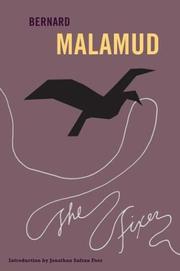
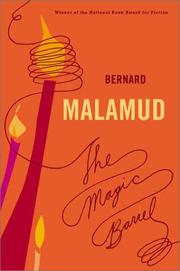
The breadth of Malamud’s achievement is evident in his major award recognitions. His 1959 National Book Award for The Magic Barrel, a collection of short stories, announced his arrival as a literary force to be reckoned with, showcasing his unparalleled skill at distilling human complexity into concentrated, haunting narratives. Eight years later, his novel The Fixer earned him the Pulitzer Prize for Fiction, cementing his status as one of America’s most significant novelists. That The Fixer—a historical novel about a Jewish handyman wrongly imprisoned in czarist Russia—could win such prestigious recognition alongside his earlier triumph demonstrated Malamud’s versatility and the universal power of his examinations of injustice, identity, and the indomitable human spirit.