Bray Hammond
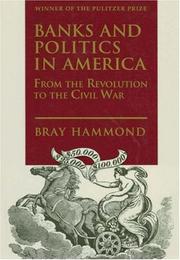
Bray Hammond stands as one of the most influential economic historians of the twentieth century, a scholar whose meticulous research and compelling narrative style transformed how Americans understand their financial past. His magnum opus, Banks and Politics in America, earned him the Pulitzer Prize for History in 1958, a recognition that cemented his reputation as an essential voice in American historiography. Hammond’s work transcends the typical dry academic treatise; he possessed a rare gift for making complex financial systems and political machinations accessible to the general reader while maintaining the rigor expected of serious scholarship.
What distinguishes Hammond’s contribution to historical literature is his unflinching examination of how banking institutions have shaped—and been shaped by—American political power. Banks and Politics in America traces this intricate dance across centuries, revealing how economic self-interest has consistently influenced policy decisions and national direction. His Pulitzer recognition underscores the book’s enduring significance, marking it as a foundational text for anyone seeking to understand the ideological conflicts underlying American capitalism. Hammond’s legacy lies not merely in his archival discoveries or economic analysis, but in his demonstration that financial history, told with clarity and insight, can illuminate the very foundations of American democracy.