Bruce Norris
Bruce Norris is a playwright whose work cuts through the surface of American life to expose the uncomfortable contradictions lurking beneath polite conversation. His gift lies in creating spaces where intellectual debate and emotional vulnerability collide—often with darkly comic results. Norris has built a career on interrogating thorny social issues through sharply drawn characters and tightly constructed dramatic scenarios, earning him recognition as one of the most important voices in contemporary American theater.
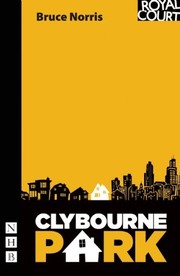
His breakthrough came with Clybourne Park, which won the 2011 Pulitzer Prize for Drama. The play is a masterwork of theatrical architecture: a two-act structure that uses the same Chicago living room to explore race, property, and displacement across fifty years. In the first act, we witness a white family preparing to move out of their neighborhood; in the second, we see a Black family moving in decades later. Through this elegant framework, Norris demolishes comfortable assumptions about progress, good intentions, and the persistence of systemic racism. The play’s success wasn’t merely critical acclaim—it represented a watershed moment for Pulitzer recognition, affirming that theater could be both intellectually rigorous and urgently relevant to contemporary concerns.
What distinguishes Norris’s work is his refusal to offer easy answers or allow audiences the comfort of moral certainty. His characters are articulate and sympathetic even when they’re perpetuating harm, making his plays unsettling in the best possible way. This quality has made him essential reading in American drama, a playwright who trusts his audience’s intelligence while challenging their assumptions about who we are and what we’re capable of becoming.