Bruce Sterling
Bruce Sterling stands as one of science fiction’s most intellectually restless voices, a writer who uses speculative fiction not merely to imagine technological futures but to interrogate their social and political consequences. His work combines rigorous futurism with a sharp satirical eye, creating narratives that feel simultaneously prophetic and urgently present. Sterling’s influence extends far beyond the page—as a design theorist, activist, and cultural commentator, he has shaped how we think about technology’s role in shaping society, bringing that same critical sensibility to his fiction.
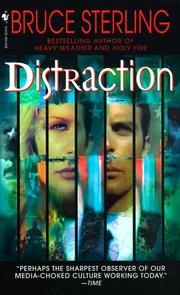
Sterling’s award recognition reflects the breadth of his talents. His back-to-back Hugo Awards for Best Novelette—winning in 1997 for “Bicycle Repairman” and again in 1999 for “Taklamakan”—established him as a master of the shorter form, crafting stories that pack conceptual ambition into tightly wound narratives. That trajectory culminated in his 2000 Arthur C. Clarke Award win for the novel Distraction, a darkly comedic near-future political thriller that exemplifies his ability to weave together cutting-edge technology, environmental crisis, and human vulnerability into a vision that feels disturbingly plausible. What makes Sterling’s cross-award recognition particularly notable is how consistently he delivers speculative fiction that works both as immediate storytelling and as serious cultural diagnosis—work that appeals to the broadest science fiction audience while satisfying critics and fellow writers who value intellectual substance.
-
-
Taklamakan
-
Bicycle Repairman