Bruno Bettelheim
Bruno Bettelheim stands as one of the most influential psychological thinkers of the twentieth century, a figure whose work bridged the worlds of clinical practice, child development, and cultural analysis with remarkable depth. His career was shaped by his own harrowing experience as a prisoner in Nazi concentration camps during World War II—a period that would inform his lifelong commitment to understanding human resilience, the psychology of confinement, and the mechanisms through which traumatized individuals rebuild their lives. This empathetic rigor became the hallmark of his writing, whether he was addressing severe emotional disturbances in children or exploring the universal patterns embedded in our oldest stories.
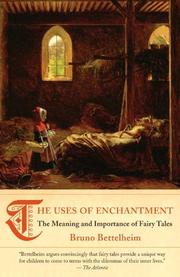
Bettelheim’s most celebrated work, The Uses of Enchantment, exemplifies his gift for illuminating the hidden psychological work performed by fairy tales. Published in 1976, the book won the National Book Critics Circle Award for Criticism, recognizing Bettelheim’s revolutionary argument that fairy tales are not escapist fantasies but essential vehicles for children to work through unconscious anxieties and develop emotional resilience. His analysis demonstrated how stories like “Little Red Riding Hood” and “Cinderella” function as psychological laboratories where children can safely encounter their deepest fears and fantasies. Beyond this landmark work, Bettelheim’s distinctive approach—marrying psychoanalytic insight with accessible prose—made him a public intellectual who could speak to both academic and popular audiences about the emotional lives of children and the therapeutic dimensions of cultural expression.