C. J. Cherryh
C. J. Cherryh stands as one of science fiction’s most intellectually ambitious storytellers, a writer whose work consistently explores the philosophical implications of human consciousness, identity, and our place in complex social structures. Her fiction is marked by intricate world-building and a willingness to interrogate power dynamics across species and civilizations, whether examining the tenuous relationship between humans and aliens or probing the ethical boundaries of artificial intelligence and cloning. Cherryh’s prose style—dense with technical detail yet emotionally resonant—rewards close reading and often demands multiple encounters with her narratives to fully grasp their thematic depths.
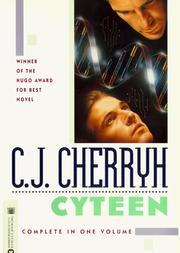
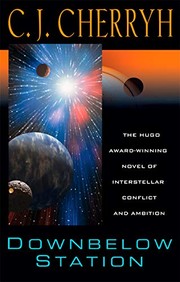
Her award recognition reflects both the breadth and consistency of her contributions to the field. She won the Hugo Award for Best Short Story in 1979 for “Cassandra,” establishing her voice as a master of speculative storytelling on a smaller scale. But it was her sweeping space opera Downbelow Station that secured her first Hugo for Best Novel in 1982, a breakthrough work that showcased her ability to balance intimate character drama with expansive political intrigue. That achievement was reinforced a decade later when Cyteen won both the 1989 Hugo Award for Best Novel and the Locus Award for Best Science Fiction Novel in the same year, a rare double recognition that underscored the novel’s significance across the science fiction community. Through her repeated success at the highest levels of genre recognition, Cherryh has demonstrated that complex, idea-driven science fiction could achieve both critical acclaim and reader devotion.
-
-
-
-
Cassandra