Carl Sandburg
Carl Sandburg stands as one of America’s most versatile literary voices, a poet and historian whose work captured the spirit of ordinary American life with unprecedented vitality. Rising to prominence in the early twentieth century, Sandburg developed a distinctive free verse style that rejected rigid formalism in favor of colloquial language and vivid imagery drawn from the Midwest landscape and industrial America. His three Pulitzer Prize wins across two separate categories—a rare feat of cross-genre recognition—testify to both the breadth of his talent and the enduring power of his vision.
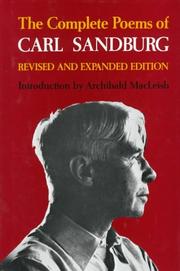
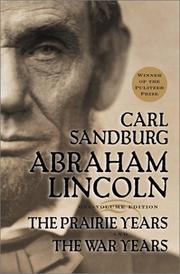
Sandburg’s poetic career reached early distinction with Corn Huskers, which won the Pulitzer Prize for Poetry in 1919 and established him as a major voice of American modernism. Yet his ambitions extended far beyond verse. His monumental biographical work Abraham Lincoln: The War Years captured the Pulitzer Prize for History in 1940, showcasing his ability to bring historical figures to life with the same lyrical intensity he brought to his poetry. This achievement set the stage for perhaps his crowning recognition: the 1951 Pulitzer Prize for Poetry awarded to his Complete Poems, a selection that demonstrated the cumulative power of a career spent finding profound meaning in the details of American experience—from factory whistles to wheat fields to the faces of common workers.
-
-
-
Corn Huskers