Carol Ryrie Brink
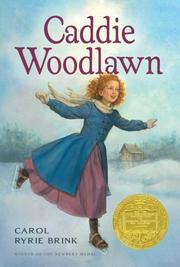
Carol Ryrie Brink stands as a cornerstone of American children’s literature, crafting stories that capture the spirited independence and natural world wonder of frontier life. Her most celebrated work, Caddie Woodlawn, earned the 1936 Newbery Medal, establishing her as a master of historical fiction for young readers. The novel’s heroine—a restless, tomboyish girl navigating life in 1860s Wisconsin—became iconic for her authenticity and agency, setting a new standard for how children’s literature could portray bold, complex female characters.
Brink’s particular gift lay in blending meticulous historical detail with the immediacy of lived experience, drawing heavily from her own family’s frontier heritage. Rather than creating sanitized versions of the past, she populated her narratives with genuine conflicts, humor, and the textures of daily life that made history feel urgent and personal. Her Newbery recognition reflected not just literary quality but the book’s cultural significance—it demonstrated that children’s literature could be both entertaining and intellectually substantial, a conviction that influenced generations of writers who followed.