Charles Sheffield
Charles Sheffield stands as a rare figure in science fiction—a working physicist whose technical precision and scientific imagination converge to create deeply human stories grounded in genuine wonder. His career bridges the gap between hard SF’s demanding specifications and emotionally resonant character work, a balance that has earned him recognition across the genre’s most prestigious ceremonies. Sheffield’s fiction consistently interrogates the implications of scientific advancement, exploring how technological change reshapes identity, memory, and human connection in ways both profound and often unsettling.
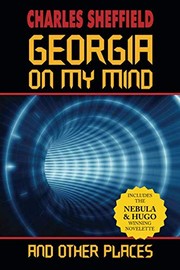
The sweep of Sheffield’s recognition is particularly striking in his short fiction, where his talent for compressing complex scientific concepts into intimate narratives truly shines. His novelette “Georgia on My Mind” exemplifies this gift—the story won both the 1993 Nebula Award and the 1994 Hugo Award, a dual honor that reflects the rare consensus his work achieves among science fiction’s most discerning readers. The story’s achievement lies not merely in its clever speculative premise but in its emotional architecture, the way Sheffield uses scientific possibility as a lens for exploring grief, identity, and the prices we pay for extraordinary knowledge.
What distinguishes Sheffield in the broader landscape of SF is his refusal to let scientific rigor overshadow the vulnerabilities of his characters. Whether working at novel length or in tightly constructed shorter forms, he treats speculative scenarios as genuine ethical laboratories, spaces where ideas and individuals collide with real consequences. This commitment to exploring the human dimensions of scientific progress has made him a touchstone for readers seeking SF that engages both the mind and the heart.