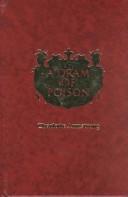
Charlotte Armstrong
Charlotte Armstrong carved out a distinctive niche in American crime fiction by refusing to follow the hard-boiled conventions of her era. Instead, she built psychological suspense from the anxieties of ordinary people—housewives, neighbors, everyday folks caught in extraordinary circumstances. Her gift lay in recognizing that the most terrifying threats often came not from cartoonish villains, but from the mounting pressures of secrets, misunderstandings, and the fragility of normal life. This humanistic approach to the mystery genre earned her widespread critical respect and a devoted readership that appreciated her intelligence and emotional depth.
Armstrong’s 1957 Edgar Award win for Best Novel, bestowed for A Dram of Poison, cemented her status as a major figure in postwar American crime writing. The novel exemplified her signature move: taking a seemingly simple premise—a woman’s death and the question of who might have poisoned her—and spinning it into a complex meditation on guilt, suspicion, and the ways families can destroy themselves from within. The Edgar recognition validated what her readers already knew: that Armstrong’s work could thrill and unsettle with ideas just as powerfully as with plot, proving that detective fiction could be both commercially successful and genuinely literary.