China Miéville
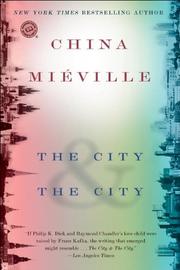
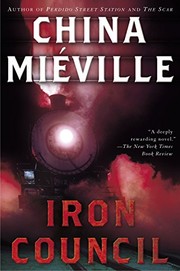
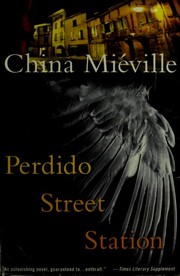
China Miéville has established himself as one of the most inventive and intellectually restless voices in speculative fiction, consistently pushing the genre’s boundaries with work that blends the fantastical with the philosophical. His breakthrough novel Perdido Street Station, which won the Arthur C. Clarke Award in 2001, announced a writer uninterested in genre convention—the book’s sprawling, baroque vision of a corrupt city and its horrific creatures set the tone for everything that followed. What makes Miéville’s career remarkable is not just the acclaim his work has received, but the breadth of that recognition: he has won the Arthur C. Clarke Award three times (Perdido Street Station, Iron Council, and The City & the City), claimed multiple Locus Awards across fantasy, science fiction, and young adult categories, and earned the World Fantasy Award for The City & the City, a novel that reads less like genre fiction and more like a metaphysical meditation on power, perception, and institutional authority.
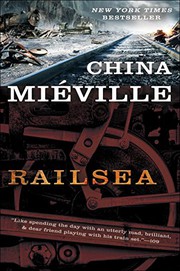
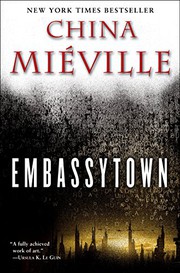
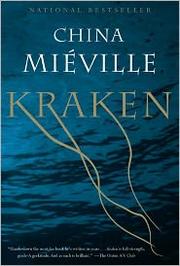
Miéville’s fiction is characterized by baroque prose, intricate world-building, and a fascination with the uncanny and the marginal. His recurring preoccupations—the corruption of cities, the collision between the mundane and the monstrous, the politics of power structures both visible and hidden—give his work a coherent vision even as he moves between settings and modes. Works like Kraken, Embassytown, and Railsea demonstrate his range, from the contemporary supernatural thriller to hard science fiction to young adult adventure, yet each bears his unmistakable imprint: a commitment to rigorous imagination and a conviction that speculative fiction can serve as a vehicle for exploring real-world anxieties about authority, belonging, and resistance.