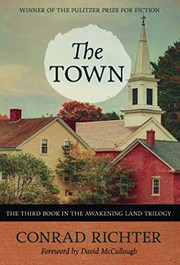
Conrad Richter
Conrad Richter stands as one of America’s most significant historical novelists, a writer whose meticulous research and unflinching prose captured the sweep of frontier life with an authenticity that earned him the Pulitzer Prize for Fiction in 1951 for The Town. This final installment of his acclaimed trilogy about Ohio’s settlement secured what many critics considered long-overdue recognition for a craftsman who had spent decades chronicling the American experience through richly textured narratives. Richter’s ability to render the psychological and social complexities of pioneering communities set him apart from his contemporaries, blending the grandeur of historical scope with intimate portraits of individual struggle and moral choice.
Throughout his career, Richter demonstrated a distinctive approach to historical fiction that emphasized emotional truth over romantic embellishment. His recurring preoccupation with how ordinary people navigate extraordinary historical moments—displacement, cultural collision, and the forging of new societies—gave his work a philosophical weight that resonated across generations. From The Awakening Land trilogy to his numerous shorter works, Richter crafted narratives that explored the costs and rewards of civilization-building, asking fundamental questions about progress, tradition, and the human capacity for adaptation. His Pulitzer-winning achievement in The Town represented the culmination of a body of work devoted to understanding America’s formative periods through the eyes of those who lived them.