Cormac McCarthy
Cormac McCarthy stands as one of American literature’s most uncompromising visionaries, a writer whose sparse, biblical prose has redefined what literary fiction can achieve. His work spans decades and geographies—from the blood-soaked borderlands of the Southwest to post-apocalyptic wastelands—yet maintains a consistent philosophical gravity that refuses sentimentality or easy answers. McCarthy’s distinctive style strips language to its essentials, employing minimal punctuation and archaic diction to create a timeless quality that feels both ancient and urgently contemporary. His recurring preoccupations with violence, mortality, the decline of civilization, and the possibility of grace within darkness have made him a towering influence on contemporary literature.
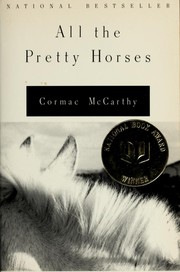
McCarthy’s cross-award recognition demonstrates the rare critical unanimity his work commands. His 1992 National Book Critics Circle Award for All the Pretty Horses announced him as a major force in American letters, introducing readers to his border trilogy’s meditation on honor and loss in a modernizing landscape. Fifteen years later, The Road secured the Pulitzer Prize for Fiction, cementing his status as an essential American novelist. The novel’s relentless vision of a father and son journeying through nuclear winter became a cultural touchstone, proving that McCarthy’s unflinching darkness could achieve both artistic perfection and mainstream resonance. Few writers have earned such prestigious dual recognition, and fewer still have used their platform to explore such unsparing territory.