David Bradley
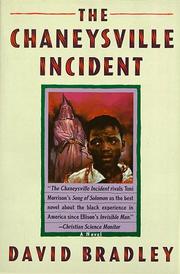
David Bradley’s literary career stands as a testament to the power of historical fiction to excavate buried truths and reckon with America’s deepest contradictions. His 1981 debut novel, The Chaneysville Incident, announced him as a major talent—a sprawling, ambitious work that weaves together family history, murder mystery, and the hidden legacies of slavery and racism in Pennsylvania’s industrial heartland. The novel’s recognition with the prestigious 1982 PEN/Faulkner Award affirmed what discerning readers already knew: that Bradley had crafted something rare and necessary, a book that refused easy answers while insisting on the moral complexity of inherited trauma and personal redemption.
What distinguishes Bradley’s approach is his refusal to treat history as mere backdrop. In The Chaneysville Incident, he constructs a narrative architecture where the past doesn’t simply inform the present—it actively inhabits it, shaping consciousness and demanding interrogation. His prose carries the weight of meticulous research alongside genuine emotional depth, creating the kind of literary experience that satisfies both the intellect and the soul. Bradley’s work exemplifies how historical fiction, when executed with rigor and imagination, becomes a form of truth-telling that conventional history sometimes cannot achieve, a quality that resonates throughout his enduring literary legacy.