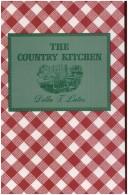
Della T. Lutes
Della T. Lutes occupies a distinctive place in American literature as a chronicler of domestic life and rural culture during a transformative period in the nation’s history. Her gift lay in elevating the everyday—the rhythms of farmhouse living, the rituals of home cooking, the texture of small-town existence—into something worthy of serious literary attention at a time when such subjects were often dismissed as merely sentimental nostalgia. Through keen observation and graceful prose, Lutes captured the material reality and emotional resonance of American life in the late nineteenth and early twentieth centuries, creating works that served as both personal memoir and cultural document.
Lutes’s masterwork, The Country Kitchen, earned her the National Book Award for Nonfiction in 1936, a prestigious recognition that validated her approach to memoir as a legitimate vehicle for understanding history and human experience. The book, which centers on the kitchen of her childhood home in Michigan, demonstrates her ability to use intimate domestic spaces as windows into broader patterns of American life—the economics of rural households, the labor of women, the intersection of family and community. Her National Book Award win marked her as an important voice in Depression-era American letters, a writer who could find profound meaning and beauty in the seemingly ordinary details that constituted the lives of ordinary Americans.