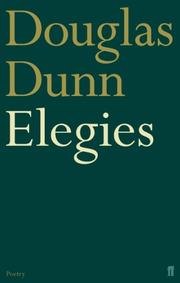
Douglas Dunn
Douglas Dunn stands as one of the most affecting voices in late twentieth-century British poetry, a writer whose work combines unflinching emotional honesty with formal sophistication and a keen eye for the textures of ordinary life. His poetry often dwells in domestic spaces and small moments, yet refuses sentimentality, instead distilling profound truths from the particulars of human experience. A librarian by profession for much of his life, Dunn brought to his verse the careful attention of someone trained to work with language and history, creating poems that feel both intimate and universally resonant.
His 1985 collection Elegies secured Dunn’s place among the most significant British poets of his generation when it won the Costa Book Awards in the Poetry category. Written in the shadow of his wife’s illness and death, the collection transforms personal grief into something luminous and unforgettable, demonstrating how the most private sorrows can achieve the widest reach. The poems avoid easy consolation while capturing the small rituals and accumulated tenderness of a long partnership, making Elegies a landmark work in the literature of loss. This recognition cemented what readers had long understood: that Dunn possessed a rare gift for rendering the heart’s deepest territories in language both precise and deeply moving.