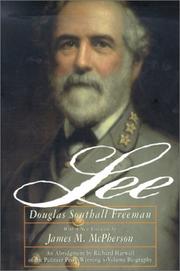
Douglas S. Freeman
Douglas S. Freeman stands as one of the most meticulous and ambitious biographers of the American experience, a historian whose methodical approach to his subjects set a standard for biographical scholarship that endures nearly a century later. His magnum opus, R. E. Lee, earned the Pulitzer Prize for Biography in 1935, a recognition that reflected not merely the book’s scholarly rigor but its cultural significance during a period when the Civil War remained a contested historical memory. Freeman’s multi-volume work transcended simple chronology, offering readers an intimate psychological portrait of the Confederate general while wrestling honestly with the complexities of his legacy.
What distinguished Freeman’s approach was his unwillingness to settle for incomplete understanding. He conducted exhaustive archival research, pieced together fragmented personal documents, and built a narrative that balanced admiration with historical accuracy—no small feat when writing about a figure so deeply embedded in regional mythology. His biography demonstrated that serious historical work need not sacrifice readability, and that the most memorable biographies are those that treat their subjects as fully realized human beings, contradictions and all. Freeman’s Pulitzer triumph vindicated his philosophy that biography was not mere storytelling but a rigorous intellectual enterprise capable of illuminating entire eras through the life of a single consequential figure.