Edith Wharton
Edith Wharton stands as one of the most penetrating chroniclers of American society, a writer whose razor-sharp social observation and psychological depth earned her recognition as a master of the novel form. Born into New York’s Gilded Age elite, she possessed an insider’s understanding of the rituals, hypocrisies, and unspoken codes that governed upper-class life—knowledge she wielded with devastating precision in her fiction. Her prose is marked by an elegant formality that belies the acidic wit lurking beneath, and her narratives frequently examine the collision between individual desire and social expectation, particularly as these forces bore down on women trapped within rigid moral frameworks.
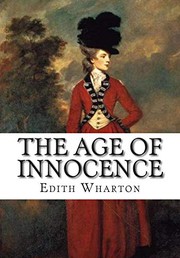
Wharton’s most celebrated work, The Age of Innocence, earned the Pulitzer Prize for Novel in 1921, making her the first woman to receive this honor. The novel, set among New York’s most exclusive families in the 1870s, traces the tragedy of a man bound by convention to a loveless marriage while renouncing his authentic passion. In this sweeping indictment of a society that prizes appearance over authenticity, Wharton transforms the drawing room into a battlefield where social custom functions as an instrument of profound human suffering. The Pulitzer recognition affirmed what her devoted readers already knew: that beneath Wharton’s controlled, almost anthropological style lay a passionate moral imagination and an unflinching commitment to revealing the costs of conformity.