Edward Albee
Edward Albee stands as one of American theater’s most fearless interrogators of domestic life and social convention. His plays strip away the veneer of civility to expose the violence, desire, and existential dread lurking beneath ordinary relationships—particularly within the American family. Albee’s distinctive style combines naturalistic dialogue with absurdist undertones, creating a theatrical language that feels both intimately recognizable and deliberately unsettling. His characters often find themselves trapped in cycles of emotional cruelty and communication breakdown, forced to confront uncomfortable truths about themselves and those closest to them.
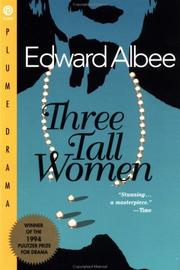
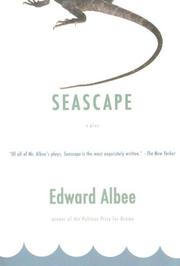
Albee’s three Pulitzer Prize wins for drama—A Delicate Balance in 1967, Seascape in 1975, and Three Tall Women in 1994—testify to his sustained artistic power across three decades. What makes this cross-generational recognition particularly striking is how his work evolved while maintaining its essential vision. A Delicate Balance captured the anxieties of suburban life with surgical precision; Seascape ventured into philosophical parable; and Three Tall Women, written when Albee was in his sixties, achieved a kind of late-career transcendence, transforming personal memory and familial reckoning into universal meditation on mortality and female experience. His multiple honors underscore not just consistent excellence but an ability to reinvent his theatrical vocabulary while remaining utterly, distinctively Albee.