Elizabeth Enright
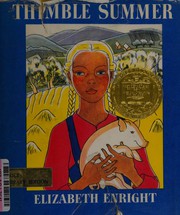
Elizabeth Enright occupies a distinctive place in American children’s literature as a writer who elevated the domestic adventure novel into something genuinely literary. Her 1939 Newbery Medal-winning novel Thimble Summer exemplifies her particular gift: the ability to find genuine magic and consequence in the everyday lives of children navigating family, friendship, and the natural world. Rather than relying on fantastical premises, Enright grounded her stories in the sensory richness of American life—summer heat, changing seasons, the smell of rain—and in the complex emotional lives of young protagonists learning to navigate independence and belonging simultaneously.
What distinguishes Enright’s work is her refusal to condescend to her young readers. Her prose carries a lyrical quality often associated with adult literary fiction, and her plots unfold with the patience of a writer unafraid of quiet moments and introspection. Thimble Summer, set during the Great Depression, centers on a girl’s transformative summer and subtly weaves together themes of family resilience, imagination, and the way children construct meaning from limited circumstances. Enright’s recognition by the Newbery committee reflected the award’s own evolution toward honoring literary merit in children’s work—an evolution she helped shape through her example.