Elizabeth Foreman Lewis
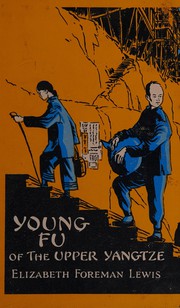
Elizabeth Foreman Lewis stands as a pioneer of culturally conscious children’s literature, a writer who introduced young American readers to the richness of Chinese life and character during an era when such cross-cultural storytelling was exceptionally rare. Her Newbery Medal-winning novel Young Fu of the Upper Yangtze (1933) remains a landmark achievement—a nuanced portrait of a Chinese boy’s coming-of-age that transcends the exoticizing tendencies common to much children’s fiction of its time. Lewis brought ethnographic depth and genuine respect for her subject matter to the page, crafting narratives that treated young protagonists from other cultures with the same psychological complexity and moral seriousness afforded to their American counterparts.
What distinguishes Lewis’s work is her refusal to simplify or sentimentalize. Young Fu of the Upper Yangtze presents the intellectual and spiritual landscape of its setting with remarkable authenticity, grounding readers in the specific realities of a young craftsman’s journey rather than offering a sanitized or touristic version of China. This commitment to truthful representation, combined with her graceful prose and keen eye for the universal struggles embedded in particular cultural contexts, secured her place among the most significant children’s literature authors of the twentieth century. Lewis’s Newbery recognition affirmed what discerning readers already knew: that great children’s literature could educate the heart while expanding the mind across vast geographical and cultural distances.