Eudora Welty
Eudora Welty stands as one of American literature’s most distinctive voices, a writer whose intimate knowledge of the American South transcended regional specificity to achieve universal resonance. Her fiction is characterized by a rarified attention to the texture of ordinary life—the gestures, dialects, and interior lives of small-town characters who might otherwise escape literary notice. Welty’s prose style, often described as both lyrical and precise, captures the rhythms of Southern speech while maintaining a modernist sophistication that never condescends to her subjects. Her recurring preoccupations with family bonds, the mysteries lurking beneath domestic surfaces, and the passage of time give her work a philosophical weight that belies its frequently comic surface.
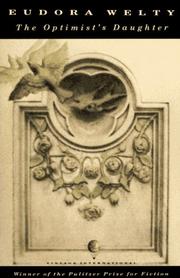
The publication of The Optimist’s Daughter in 1972 marked a culmination of Welty’s career-long exploration of familial dynamics and personal transformation. The novella, which won the Pulitzer Prize for Fiction in 1973, centers on a middle-aged woman returning to Mississippi after her father’s death, only to confront a painful family secret and her own assumptions about love and loyalty. In The Optimist’s Daughter, Welty demonstrates the concentrated power of her method: through precise observation and restrained emotional clarity, she transforms a story of grief and family discord into a meditation on the nature of hope and self-knowledge. This recognition cemented Welty’s status not merely as a significant American regional writer, but as an artist of enduring national importance whose influence would shape generations of fiction writers who followed.