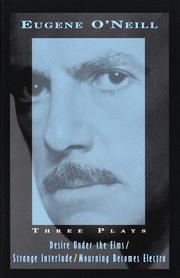
Eugene O'Neill
Eugene O’Neill stands as the towering figure who transformed American drama from parlor entertainment into a vehicle for profound psychological and philosophical exploration. A relentless innovator who drew on his own turbulent life—marked by family tragedy, addiction, and spiritual searching—O’Neill created plays of brutal honesty that pierced the surface of American optimism to expose the darker currents beneath. His influence extends far beyond the stage; he essentially invented the modern American play, establishing conventions and emotional depths that countless playwrights have built upon ever since.
O’Neill’s award recognition reflects an extraordinary arc of sustained achievement. He won the Pulitzer Prize for Drama four times—an honor matched by few writers in any genre—beginning with Beyond the Horizon in 1920, followed by the gritty redemption story Anna Christie in 1922, the audaciously experimental Strange Interlude in 1928, and his masterpiece Long Day’s Journey Into Night in 1957. That final prize came near the end of his life for a work he had written decades earlier but withheld from publication, a shattering family tragedy so intimate and unflinching that he feared its impact until after his death. The breadth of his Pulitzer wins—spanning nearly four decades—underscores not merely his impact on a single moment in theater history but his role in fundamentally reshaping what American drama could be.