Ezra Jack Keats
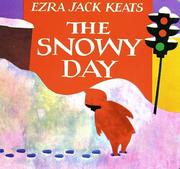
Ezra Jack Keats revolutionized children’s literature by bringing authentic urban childhood to the picture book—a landscape largely absent from mainstream publishing when he began his career. His groundbreaking The Snowy Day, which won the Caldecott Medal in 1963, introduced readers to Peter, a Black child experiencing the simple magic of a snow-covered city day. The book’s collage-based illustrations, layered with vibrant papers and paint, created a distinctly modern aesthetic that felt both intimate and deeply human, establishing Keats as an artist willing to challenge the conventions of his medium.
What distinguished Keats’s work was his profound understanding that childhood wonder transcends geography and race, yet the specifics of where and how children lived mattered enormously to storytelling. He drew inspiration from the neighborhoods he observed in Brooklyn and the Lower East Side, creating characters whose experiences reflected real communities often invisible in children’s media. Beyond The Snowy Day’s iconic success, Keats continued to explore themes of resilience, friendship, and finding joy in modest moments—whether through urban snow, city roosters, or neighborhood adventures.
Keats’s Caldecott win represented a watershed moment not just for his own career but for children’s publishing itself, signaling that authentic representation and artistic innovation could coexist in picture books aimed at the youngest readers.