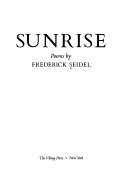
Frederick Seidel
Frederick Seidel stands as one of contemporary American poetry’s most distinctive and uncompromising voices, a writer whose work has consistently challenged readers with its formal sophistication and unflinching examination of power, desire, and moral complexity. His 1980 National Book Critics Circle Award for Sunrise marked a significant recognition of his poetic achievements, cementing his place among the major American poets of his generation. Seidel’s verse is marked by a fastidious attention to language and an aristocratic sensibility that never descends into mere aestheticism—instead, his precise, often elaborate formal structures serve as containers for deeply urgent meditations on contemporary life.
What distinguishes Seidel’s career is his refusal to shy away from controversial subjects or to soften his observations for political comfort. His poems engage with themes of mortality, eroticism, religion, and the poet’s own complicity in systems of privilege and exploitation. The recognition afforded by Sunrise acknowledged not just technical mastery but also the philosophical weight he brings to poetry, treating the form as a serious instrument for grappling with fundamental questions about existence and authenticity. Throughout his prolific body of work, Seidel has maintained an commitment to lyric intensity and intellectual rigor that has earned him a devoted readership among serious poetry audiences, even as his work remains challenging and deliberately provocative.