Frederik Pohl
Frederik Pohl stands as one of science fiction’s most prolific and prescient voices, a writer who spent decades exploring the intersection of technology, economics, and human nature with remarkable foresight. His career spanned from the Golden Age of pulp magazines through the genre’s maturation, and his work consistently grappled with near-future anxieties before they became headlines—whether examining corporate malfeasance, environmental collapse, or the psychological costs of space exploration. Pohl’s distinctive style married hard scientific speculation with genuine emotional stakes, refusing to let his ideas overshadow the very human characters caught in their implications.
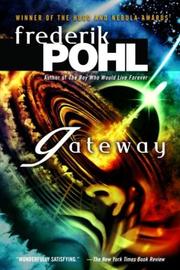
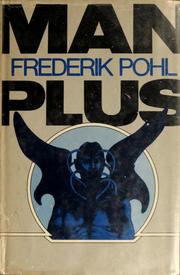
His award recognition reflects both the breadth and depth of his influence. Man Plus, his 1976 Nebula winner, exemplified his talent for imagining how technological transformation reshapes identity and society. But it was Gateway, perhaps his masterpiece, that proved his cross-genre appeal, winning both the 1977 Nebula and 1978 Hugo—a rare double that speaks to how thoroughly he satisfied both the science fiction community and its broader readership. The novel’s nested narratives and exploration of trauma alongside cosmic mystery became a model for serious SF storytelling.
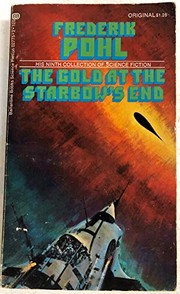
Even as Pohl’s reputation rested largely on his novels, his shorter work demonstrated equal ingenuity. The Gold at the Starbow’s End, which captured the 1973 Locus Award for Best Novella, and the later Hugo-winning story Fermi and Frost proved he could pack profound speculation into compressed forms. Throughout his long career, Pohl remained unafraid to ask uncomfortable questions about progress itself, making him not just a major figure in science fiction history but a genuinely important voice in American letters.