Fritz Leiber
Fritz Leiber stands as one of the most versatile and decorated figures in speculative fiction, a master craftsman whose influence spans science fiction, fantasy, and horror with equal command. His career was marked by an extraordinary ability to shift between genres and tones—from intimate psychological tales to sprawling cosmic adventures—while maintaining a distinctly literary sensibility that elevated pulp traditions into genuine art. Leiber’s work is characterized by sharp wit, philosophical depth, and a fascination with the supernatural lurking beneath everyday reality, themes that would earn him recognition across the field’s most prestigious awards.
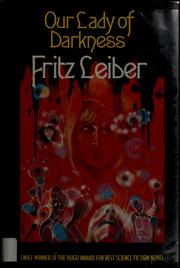
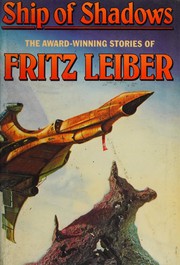
His accolades paint a portrait of sustained excellence across multiple decades. Leiber captured back-to-back Hugo Awards in 1944 for Conjure Wife, a novella that launched what would become his most celebrated contribution to fantasy literature. But his award wins tell a story of remarkable range: The Big Time and The Wanderer claimed Hugo Awards in 1958 and 1965 respectively, while “Gonna Roll the Bones” achieved the rare distinction of winning both the Hugo and Nebula in consecutive years (1967–1968). His later career proved just as fertile, with novellas like Ill Met in Lankhmar and Ship of Shadows continuing to impress award voters in the early 1970s, and stories such as “Catch That Zeppelin!” and Our Lady of Darkness extending his trophy case into the mid-to-late 1970s with Hugo, Nebula, and World Fantasy wins.
What made Leiber’s cross-award recognition genuinely exceptional was the consistency with which different award bodies honored his work across genres and formats. Whether writing intimate horror, space opera, or the sword-and-sorcery tales of Fafhrd and the Gray Mouser that became the stuff of legend, he demonstrated a rare gift for making complex ideas resonate with both critics and readers. His multiple victories underscored that Leiber was not merely a genre favorite but an essential literary figure whose innovations and imagination had permanently altered the landscape of fantastic fiction.
-
-
Catch That Zeppelin!
-
"Belsen Express"
-
Catch That Zeppelin!
-

-
-
-

-
-