George Orwell
George Orwell stands as one of the twentieth century’s most incisive political writers, a author whose fiction functioned as urgent social commentary wrapped in the machinery of allegory and speculative storytelling. Born Eric Arthur Blair, Orwell developed a distinctive voice that combined unflinching moral clarity with accessible prose—a rare combination that allowed his work to resonate across both literary and popular audiences. His recurring preoccupations were the corruptions of power, the manipulation of language as a tool of oppression, and the fragility of truth in societies built on propaganda. These themes didn’t merely populate his novels; they formed the ideological core that drove his relentless examination of totalitarianism in all its forms.
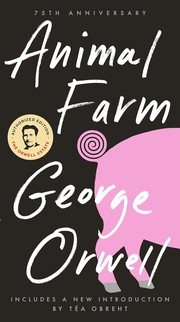
Orwell’s novella Animal Farm, a darkly comic allegory of the Russian Revolution that reimagined political upheaval through the perspective of farm animals, proved so resonant that it secured the Hugo Award for Best Novella in 1946. The recognition was particularly fitting for a work that distilled complex historical betrayals into a parable so clear and cutting that it has never lost its bite. Yet while Animal Farm may be his most decorated work, Orwell’s legacy extends far beyond any single award, cementing his position as a writer whose influence shaped not just literature but how subsequent generations understood the relationship between words, power, and truth.