George R. R. Martin
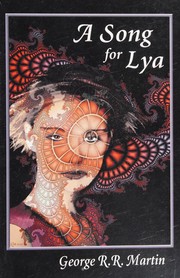
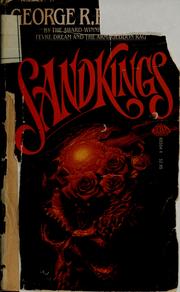
George R. R. Martin stands as one of the most influential fantasy writers of our time, a creator whose influence extends from the science fiction and fantasy short form that first earned him recognition to the sprawling epic fantasy saga that has captivated millions worldwide. His early career was marked by dazzling short fiction that garnered him multiple Hugo and Nebula Awards—recognition that established him as a master of speculative storytelling. Works like “Sandkings” and “A Song for Lya” showcased a writer unafraid to explore the darker psychological and moral dimensions of the fantastic, earning him back-to-back Hugos in 1980 and continued accolades throughout the 1980s.
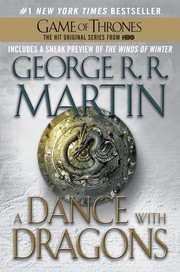
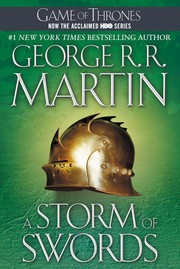
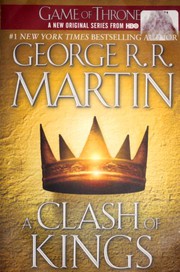
Yet it was his transition to long-form fantasy that would define his legacy and expand his already formidable reputation across generations of readers. Beginning with A Game of Thrones in 1996, Martin launched the epic saga that would become A Song of Ice and Fire, immediately garnering the 1997 Locus Award and sustaining that recognition through subsequent volumes. A Clash of Kings and A Storm of Swords continued to sweep fantasy’s most prestigious awards, while A Dance with Dragons earned the Locus in 2012, cementing the series as not merely a commercial juggernaut but a work of enduring literary significance.
What distinguishes Martin’s career is his consistent exploration of power, morality, and human complexity across both intimate short stories and vast fictional worlds. His narratives refuse easy resolutions or simple heroes, instead constructing intricate tapestries where political ambition, personal desire, and unexpected tragedy shape characters and nations alike. This thematic consistency—combined with his technical mastery and his remarkable ability to command attention across multiple literary awards—has secured his place among the most consequential voices in contemporary speculative fiction.
-
-
-
-

-
-
-
-
The Way of Cross and Dragon
-
-