Gore Vidal
Gore Vidal stands as one of the most formidable intellects in American letters, a writer whose ambition extended across nearly every literary form—novels, plays, essays, and screenplays—with equal brilliance and acerbic wit. His fiction, particularly his sprawling historical novels like Burr and Lincoln, redefined how American literature could engage with the nation’s past, weaving together meticulous historical research with sophisticated narrative innovation. But Vidal’s true power lay in his capacity to think aloud on the page, whether dissecting American foreign policy, critiquing sexual hypocrisy, or skewering the pretensions of his literary contemporaries. His prose style—urbane, erudite, and ferociously intelligent—made even the most complex ideas feel like brilliant table conversation.
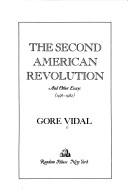
Vidal’s recognition by the National Book Critics Circle in 1982 for The Second American Revolution and Other Essays underscored what readers and critics had long understood: his essays represented some of the finest critical and cultural commentary of his era. These pieces showcased Vidal at his most penetrating, turning his essayistic gifts toward American identity, literature, and power with the precision of a surgeon and the fearlessness of a polemicist. The award validated what his devoted readers already knew—that Vidal’s essays were not mere journalism but sustained works of intellectual consequence, essential documents for understanding postwar American culture and politics.