Graham Swift
Graham Swift has established himself as one of contemporary literature’s most accomplished explorers of memory, time, and the hidden complexities beneath ordinary lives. His fiction is characterized by a distinctive narrative architecture—often fragmented, layered, and formally inventive—that mirrors the way human consciousness actually works, jumping between past and present, fact and reflection. Swift’s prose tends toward the lyrical and philosophical, even when chronicling the mundane details of his characters’ existence, and he has consistently demonstrated a gift for infusing small, intimate stories with larger meditations on mortality, love, and what it means to live a meaningful life.
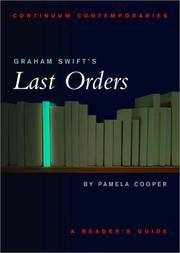
Swift’s masterwork Last Orders stands as perhaps the fullest realization of his artistic vision. The 1996 Booker Prize winner follows a group of working-class Londoners on a day trip to scatter a friend’s ashes, with the narrative gradually revealing the intricate web of relationships, secrets, and regrets that bind them together. In its structure—moving fluidly between voices and time periods—and its profound humanism, Last Orders exemplifies everything Swift does best: taking ordinary people seriously, honoring the weight of their inner lives, and proving that literary ambition and genuine human feeling are not mutually exclusive. The book’s recognition at the highest levels of literary awards cemented Swift’s place among Britain’s most significant contemporary writers.