Gwyneth Jones
Gwyneth Jones stands as one of science fiction’s most intellectually rigorous and stylistically adventurous voices, a writer equally at home crafting intricate short fiction and expansive novels that challenge the genre’s conventions. Her work is marked by a fascination with consciousness, identity, and the strange intersections between the personal and the technological—themes she explores with prose that’s as precise and elegant as it is conceptually ambitious. Jones’s recognition across multiple major awards testifies to her ability to move fluidly between different scales of storytelling, from the concentrated power of short fiction to the sustained narrative architecture of the novel.
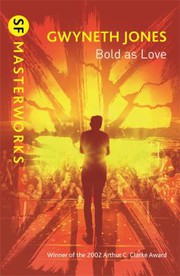
Her 1996 World Fantasy Award for Best Short Fiction, won for “The Grass Princess,” established her reputation for crafting stories that blend fantastical elements with profound emotional and philosophical depth. That early success proved merely a prelude to her 2002 Arthur C. Clarke Award victory for Bold As Love, a novel that demonstrated her full range as a speculative fiction writer. The novel’s triumph on the Clarke shortlist—one of science fiction’s most prestigious honors—confirmed what discerning readers had come to recognize: Jones is a writer capable of imagining futures that feel both scientifically grounded and deeply human, a rare combination that continues to define her most compelling work.
-
-
"The Grass Princess"