Hanif Kureishi
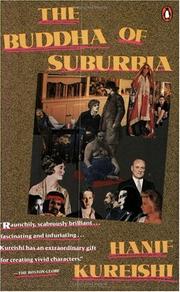
Hanif Kureishi emerged as one of British literature’s most vital voices with The Buddha of Suburbia, his 1990 Costa Book Awards winner for First Novel. The book announced a distinctive sensibility—wry, observant, and deeply attuned to the complexities of identity, desire, and belonging in contemporary Britain. Published when Kureishi was already established as a celebrated screenwriter and playwright, the novel demonstrated his gift for capturing the texture of ordinary lives with uncommon intelligence and dark humor, establishing themes that would preoccupy much of his subsequent work.
The Buddha of Suburbia follows Karim Amir, a mixed-race teenager navigating 1970s London with sharp-eyed irony as he stumbles toward adulthood amid sexual awakening, racial ambiguity, and his father’s spiritual transformation. Kureishi’s prose moves fluidly between comedy and pathos, revealing how the personal is always entangled with the political—a conviction that runs through his entire body of work. His recognition by the Costa Awards validated what readers and critics already sensed: that Kureishi had given voice to experiences and perspectives long underrepresented in British fiction, doing so with a stylistic confidence that refused sentimentality or easy answers.