Harlan Ellison
Harlan Ellison stands as one of speculative fiction’s most decorated and distinctive voices, a writer whose work consistently challenged the genre’s conventions while earning the field’s highest honors. His career was defined by an extraordinary gift for short fiction, a form he elevated to art through psychological intensity, philosophical depth, and relentless formal innovation. Ellison’s stories didn’t merely explore futuristic scenarios—they interrogated the human condition, often with a dark wit and emotional ferocity that could be both brutal and deeply moving. His repeated recognition at both the Hugo and Nebula Awards demonstrates the rare kind of cross-category acclaim that separates iconic figures from mere award winners.
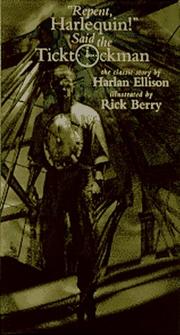
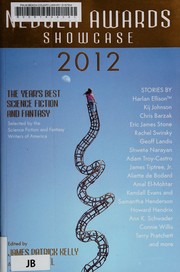
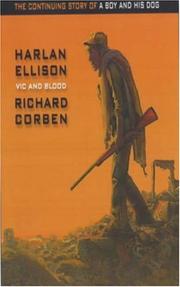
The breadth of Ellison’s prize-winning output across nearly half a century reveals an artist in constant evolution. Whether crafting the dystopian nightmare of “I Have No Mouth, and I Must Scream,” the nostalgic wonder of “Jeffty Is Five” (which won both Hugo and Nebula recognition), or the existential reckoning of “Paladin of the Lost Hour,” Ellison’s stories operated on multiple registers simultaneously. His most celebrated works—including “Repent, Harlequin!” Said the Ticktockman” and “A Boy and His Dog”—became touchstones of science fiction literature, stories that influenced generations of writers precisely because they refused easy answers or comfortable resolutions. Even late in his career, with 2010’s “How Interesting: A Tiny Man,” Ellison maintained the intellectual rigor and emotional acuity that defined his best work, proving that his talent for penetrating human vulnerability was not merely a product of his era but a fundamental aspect of his literary vision.
-
-
Adrift Just Off the Islets of Langerhans
-
-
-