Harlan Greene
Harlan Greene stands as a significant figure in contemporary American letters, particularly for his contributions to LGBTQ+ fiction and his deeply rooted exploration of Southern Gothic themes. His work demonstrates a distinctive ability to weave together intimate character studies with larger historical and social currents, creating narratives that linger long after the final page. Greene’s prose is marked by a lyrical quality and psychological depth that elevates his storytelling beyond mere plot, inviting readers into the interior lives of his characters with uncommon sensitivity and insight.
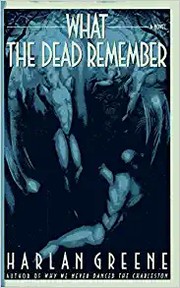
Greene’s recognition within the literary community was solidified with his 1992 Lambda Literary Award for Gay Fiction, honoring his novel What the Dead Remember. This award-winning work exemplifies Greene’s mastery of blending personal narrative with broader themes of memory, loss, and identity—concerns that animate much of his fiction. The Lambda Literary Award, one of the most prestigious honors recognizing LGBTQ+ literature, underscored Greene’s importance as a voice shaping how American letters engage with queer experience and storytelling.
Throughout his career, Greene has established himself as a writer unafraid to explore the darker undercurrents of human experience while maintaining a profound compassion for his characters. His work continues to resonate with readers and critics alike, marking him as an essential contemporary author whose contributions to American fiction extend well beyond genre boundaries.