Harper Lee
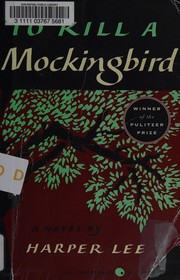
Harper Lee stands as one of American literature’s most significant voices, author of a single novel that fundamentally reshaped the cultural conversation around race, justice, and moral courage in the United States. To Kill a Mockingbird, published in 1960, became an immediate sensation and secured the Pulitzer Prize for Fiction in 1961, a recognition that has only deepened over the decades as the novel achieved canonical status in American letters. Through the eyes of Scout Finch, Lee crafted a meditation on prejudice and human dignity that transcends its specific historical moment, speaking across generations to readers grappling with questions of conscience and belonging.
Lee’s distinctive achievement lies in her ability to blend unflinching social critique with deeply human characterization and a narrative voice of disarming clarity. Her prose style—deceptively simple on the surface but layered with psychological insight—draws readers into the interior lives of her characters while never shying away from the brutal realities of systemic racism and moral compromise. The novel’s enduring power stems from Lee’s refusal to offer easy answers or redemptive conclusions, instead presenting a world where goodness is complicated, courage is costly, and understanding requires both intellectual honesty and emotional vulnerability. Decades after its publication, To Kill a Mockingbird remains essential reading not because it resolves the tensions it explores, but because it asks us to confront them with unflinching moral seriousness.