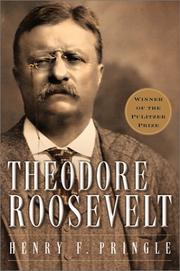
Henry F. Pringle
Henry F. Pringle stands as one of the most accomplished biographers of the twentieth century, a writer who brought narrative vigor and psychological insight to the lives of America’s most significant figures. His masterwork, Theodore Roosevelt, earned the Pulitzer Prize for Biography in 1932, cementing his reputation as a biographer capable of capturing not just the facts of a life but its essential character. Pringle possessed a rare gift for making historical figures feel contemporary to his readers, transforming what might have been dry recitation into compelling human drama.
What distinguished Pringle’s approach was his refusal to offer uncritical hagiography. Even when writing about towering figures like Roosevelt, he maintained a balanced perspective that acknowledged both greatness and flaws, allowing readers to form their own judgments about his subjects. His meticulous research was matched by an engaging prose style that made complex political histories accessible without sacrificing depth or nuance. The Pulitzer recognition for Theodore Roosevelt reflected not merely solid historical work but the exceptional quality of biography as literature—the recognition that a life well-told can achieve the emotional resonance and artistic merit of the finest fiction.